


Safety + SkiPerformancewhat is a Din-/Z-Value?
If you're out on a ski tour, you need not only reliable equipment but also a perfectly adjusted binding. One of the most important parameters is the so-called DIN-/Z-value. This value determines when the ski binding will release in the event of a fall to help prevent injuries. An incorrect setting can lead to either an early or a delayed release – both of which carry risks. Therefore, it is crucial that the DIN-/Z-value is precisely tailored to your individual characteristics.
Which Factors Contribute to the DIN-/Z-Value?
The DIN-/Z-value is calculated based on several variables:
- Body Weight: Weight: Heavier individuals generally require a higher DIN value so that the binding does not release too early.
- Height: The leverage effect influences when the binding releases.
- Age: Younger and older skiers often have different requirements for release values.
- Skiing Ability: An aggressive, sporty style typically demands a higher DIN value than a cautious style.
- Ski Boot Sole Length: The length of the ski boot sole affects the forces acting on the binding.

Why Is the Correct Setting So Important?
A binding that releases too early can leave you suddenly without skis in deep powder. Conversely, a binding that releases too late increases the risk of injury during a fall. It is therefore essential that the DIN-/Z-value is accurately calculated and set.
Genuine DIN-/Z-Values Instead of Mere Scaling
Unfortunately, many ski touring bindings on the market do not feature a genuine DIN-/Z-value but only a scaled indication. This means that these bindings are not based on a precise, verified calculation but often only represent a guideline. When purchasing, make sure to check whether it provides a genuine, traceable DIN-/Z-value. Only then can you ensure that your binding will function optimally in an emergency and minimize the risk of injury.
Explore the unique features. Hover over the images or tap on it.

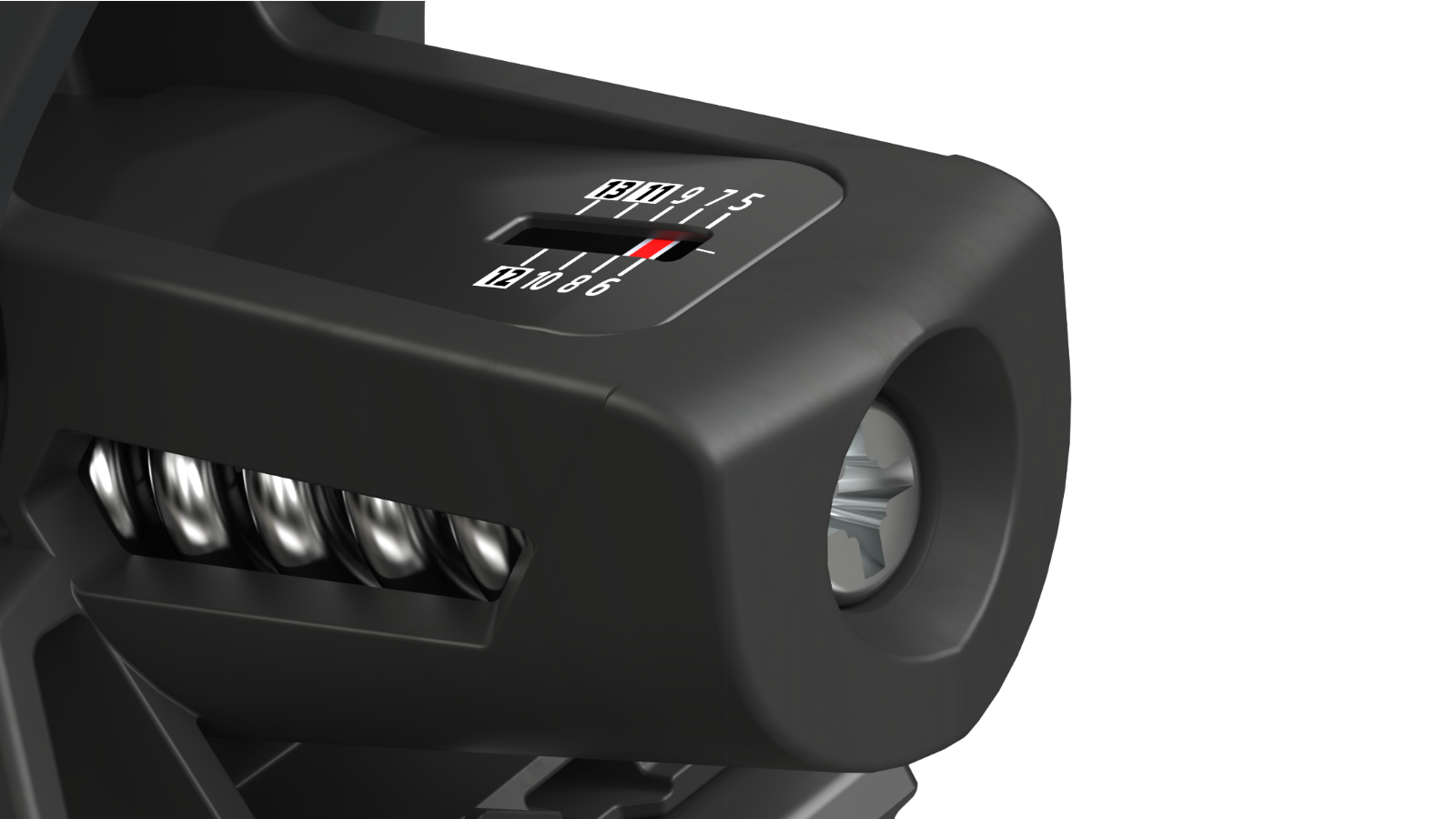
Explore the unique features. Hover over the images or tap on it.

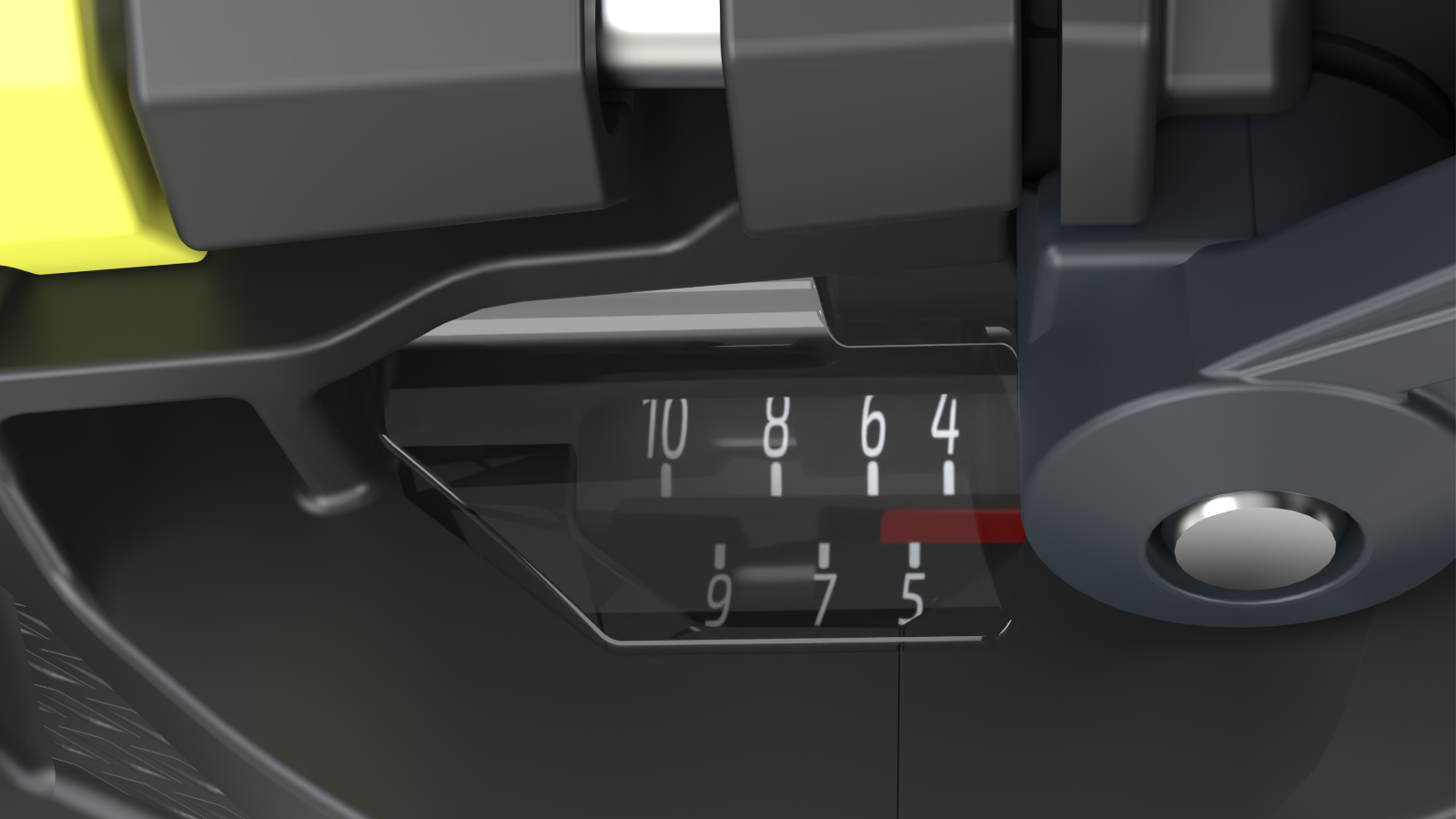
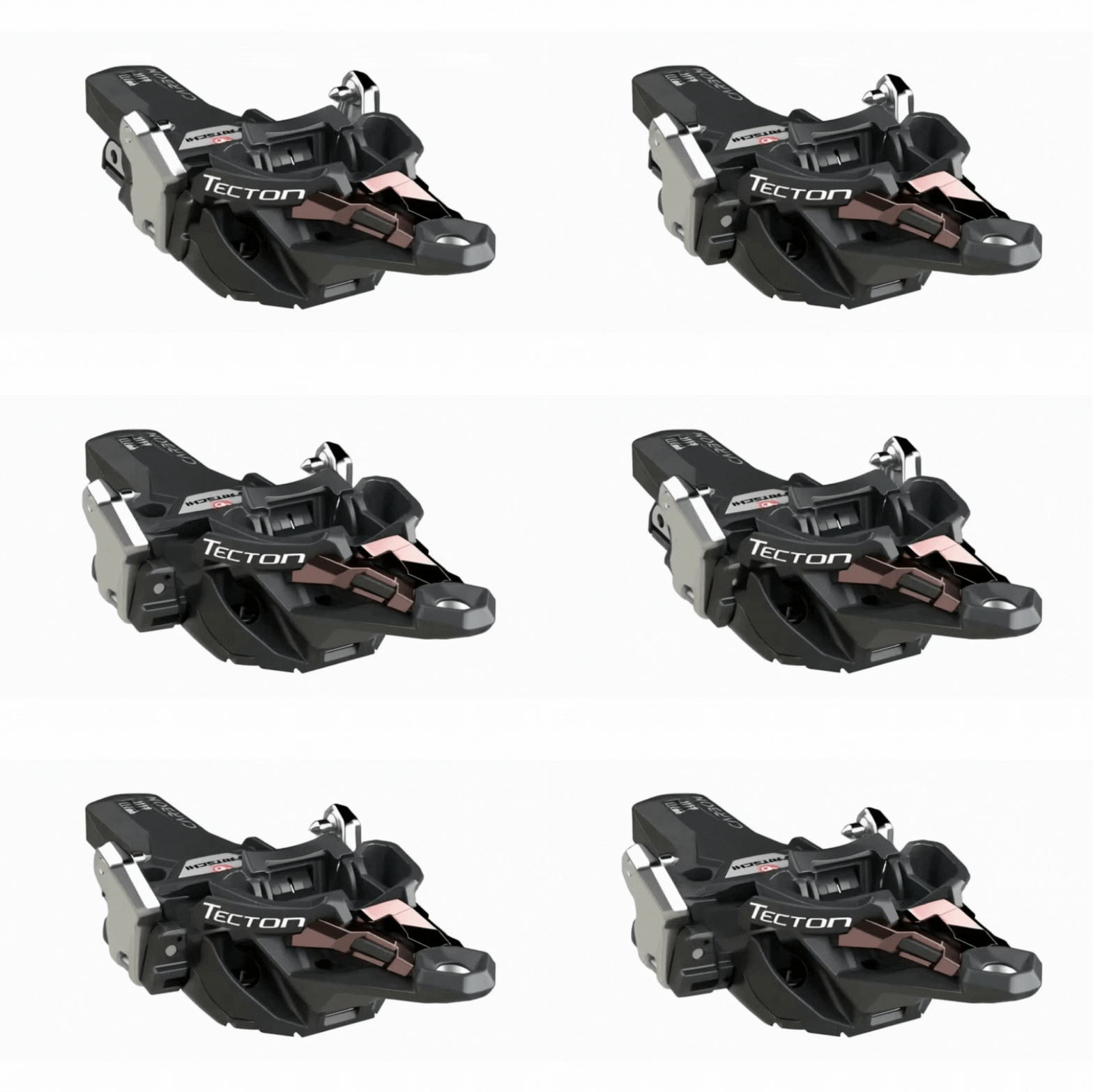
Reliable Release Even Off-Piste
For the binding to release reliably not only during laboratory testing but also in practice, full length compensation is essential. This ensures that the pressure on the ski remains constant and that the boot does not get pinched in the binding even when the ski flexes significantly.
Explore the unique features. Hover over the images or tap on it.
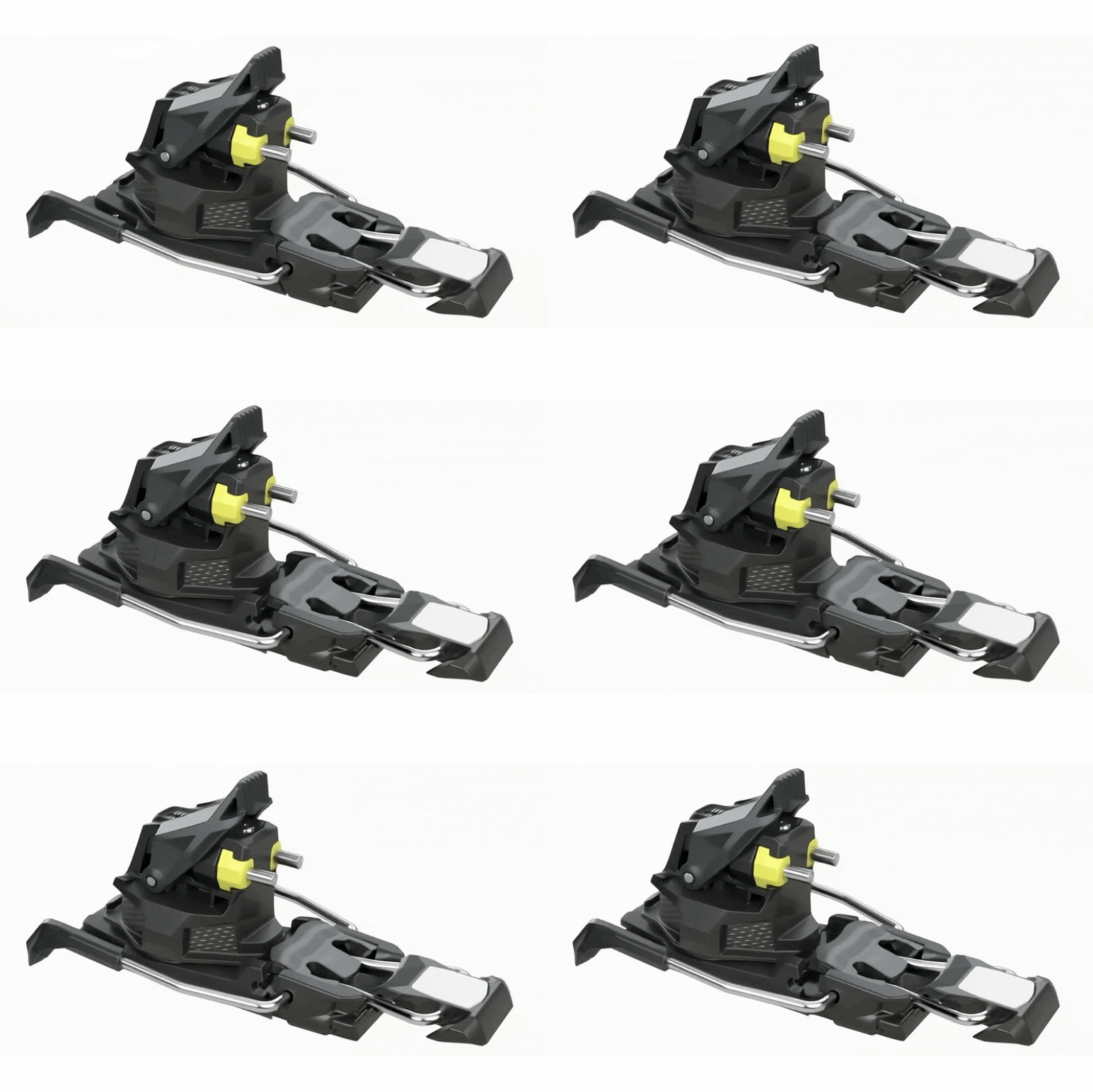
A binding should only release when absolutely necessary. Long, dynamic trajectories absorb force impacts from shocks that do not exceed the set value in an elastic manner, preventing unintended releases.
Explore the unique features. Hover over the images or tap on it.
Quality You Can Rely On
All of our ski touring bindings feature a genuine, verifiable DIN-/Z-value. During assembly, the set DIN value is checked multiple times to ensure that your binding functions optimally and releases exactly at the defined value. The other binding characteristics guarantee reliable release in practice as well – even off-piste.
And Finally
Always have your ski touring binding adjusted by a specialist dealer to ensure maximum safety and enjoyment on the slopes! An annual binding check is also strongly recommended.
More news
 Chile: Skiing in the Land of VolcanoesWhere fire meets snow There are places in the world where skiing is more than just a sport, it's a deep sensory experience, a constant dialogue ...
 Safety GearFritschi touring bindings distinguish themselves through new technological solutions. In a nutshell: strong on the descent and uncompromising in the ...
 Ski touring with the familyAs ski touring has evolved, so has the need to experience ski touring with the kids. But what is there to consider? What is important so that the ...